
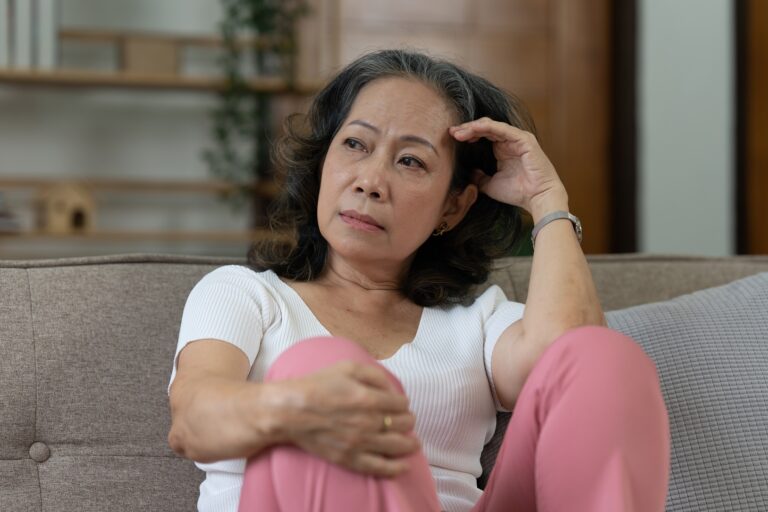
Perimenopause can begin before periods stop completely, and its changes are not always limited to the menstrual cycle. For some women, the first clues may feel surprisingly unrelated to menopause such as changes in sleep, mood, concentration or energy.
Key Takeaways
- Perimenopause can cause a range of physical, emotional and menstrual changes.
- Symptoms can vary considerably between women and may change over time.
- Changes in your period pattern are common, but they are not the only possible sign.
- Keeping track of symptoms can help you discuss changes more clearly with a healthcare professional.
Could These Changes Really Be Perimenopause Signs?
Perimenopause is the transitional stage before menopause. During this period, hormone levels can fluctuate, which may lead to changes in how you feel physically and emotionally.
It does not necessarily begin at a predictable age or follow the same pattern for everyone. Some women may notice gradual changes, while others may experience several symptoms around the same period.
Some possible perimenopause signs include,
- Periods becoming irregular, heavier, lighter, shorter or longer
- Hot flushes or night sweats
- Difficulty falling asleep or staying asleep
- Mood changes, irritability or feeling more emotional than usual
- Tiredness or reduced energy
- Difficulty concentrating or feeling mentally “foggy”
- Vaginal dryness or discomfort
- Changes in sexual desire
- Headaches or changes in how existing headaches feel
One particularly overlooked experience is simply feeling “unlike yourself”. You may find yourself wondering why ordinary tasks feel more tiring, why your patience seems shorter, or why your sleep no longer feels restorative.
That does not automatically mean perimenopause is the cause. Similar symptoms can occur with stress, sleep problems, thyroid conditions, nutritional deficiencies and other health concerns. This is why looking at the overall pattern matters.
Why Can Perimenopause Feel So Unpredictable?
Hormonal fluctuations during perimenopause are not always steady. This means symptoms can appear, disappear and return at different times. For example, you might,
- Have relatively normal periods for several months and then notice a change.
- Sleep poorly for a few nights without immediately connecting it to other symptoms.
- Experience mood changes without obvious changes to your menstrual cycle.
- Feel physically well one week and unusually tired the next.
Rather than focusing on one symptom, it can be useful to look for patterns. Keeping a simple record of your periods, sleep, mood, hot flushes and other changes may help you identify whether symptoms are occurring around particular times.
When Should You Speak To A Healthcare Professional?
You do not have to wait until symptoms become difficult to manage before discussing them.
A consultation can help assess your symptoms and consider whether they may be related to perimenopause or another health concern. Your healthcare professional may also discuss your menstrual history, general health, medications and other relevant factors before deciding whether further assessment is appropriate.
You should consider seeking medical advice for unusual or concerning changes, particularly bleeding that is very heavy, prolonged or occurs after periods have stopped.
Frequently Asked Questions
Can perimenopause affect your mood?
Yes. Hormonal changes during the transition may be associated with mood changes, irritability and emotional changes. However, persistent or severe mood symptoms should be discussed with a healthcare professional.
Can you have perimenopause signs even if your periods are still regular?
Yes. Menstrual changes are common, but symptoms can occur before periods become noticeably irregular.
Does everyone experience the same perimenopause signs?
No. Symptoms and their intensity can vary considerably. Some women experience several symptoms, while others notice relatively few changes.
How long does perimenopause last?
The duration varies between individuals. It is a transition rather than a fixed period with exactly the same timeline for everyone.
Can other health conditions cause similar symptoms?
Yes. Tiredness, sleep changes, mood changes and difficulty concentrating can have several possible causes. A healthcare professional can help determine what may be contributing to your symptoms.
Could It Be Time To Understand What Your Body Is Telling You?
If you have noticed changes that are affecting your everyday life, consider discussing them with a healthcare professional rather than trying to make sense of every symptom alone. For women in Singapore, Serenity Clinic can provide a setting to discuss concerns relating to perimenopause and your overall health.
You may arrange a consultation with our team of doctors at Serenity Clinic to discuss your symptoms and whether further assessment may be appropriate.